How Technology is Revolutionizing Brain Health: Innovations to Watch


The Rise of Neurotechnology
The field of brain health is experiencing a remarkable transformation, thanks to the rapid advancements in technology. Innovations in neurotechnology are offering new ways to understand the brain, diagnose disorders, and enhance cognitive functions. These breakthroughs are not only improving the quality of life for individuals with neurological conditions but are also paving the way for preventive measures.
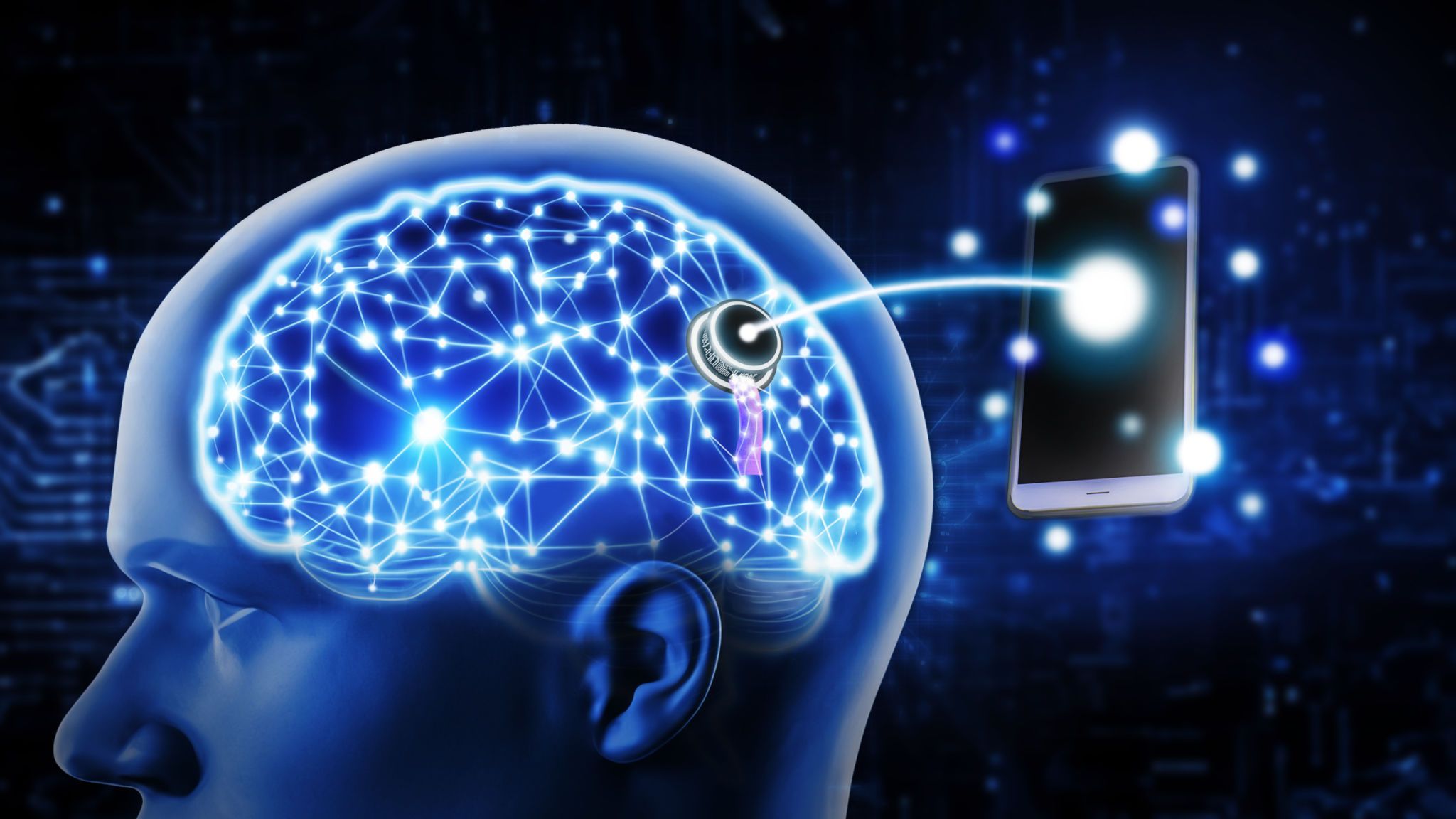
One of the most exciting areas of development is brain-computer interfaces (BCIs). These devices are enabling direct communication between the brain and external devices, opening possibilities for those with paralysis to interact with their environment through thought alone. Such technology is a testament to how far we've come in understanding and leveraging brain signals.
Wearable Brain Health Devices
Wearable technology is another significant trend in brain health. Devices like headbands and smartwatches are equipped with sensors that monitor brain activity and provide real-time feedback. This data can be invaluable for both clinicians and users, helping track mental well-being and detect early signs of cognitive decline.
Many of these wearables employ EEG (electroencephalogram) technology to measure electrical activity in the brain. This information can be used to tailor personalized meditation and stress management programs, promoting mental wellness in everyday life.

AI and Machine Learning in Brain Health
Artificial Intelligence (AI) and machine learning are revolutionizing how we interpret complex brain data. These technologies are capable of analyzing vast amounts of information quickly and accurately, offering new insights into brain function and disorders. AI algorithms are being used to identify patterns in neurological conditions, aiding in early diagnosis and treatment planning.
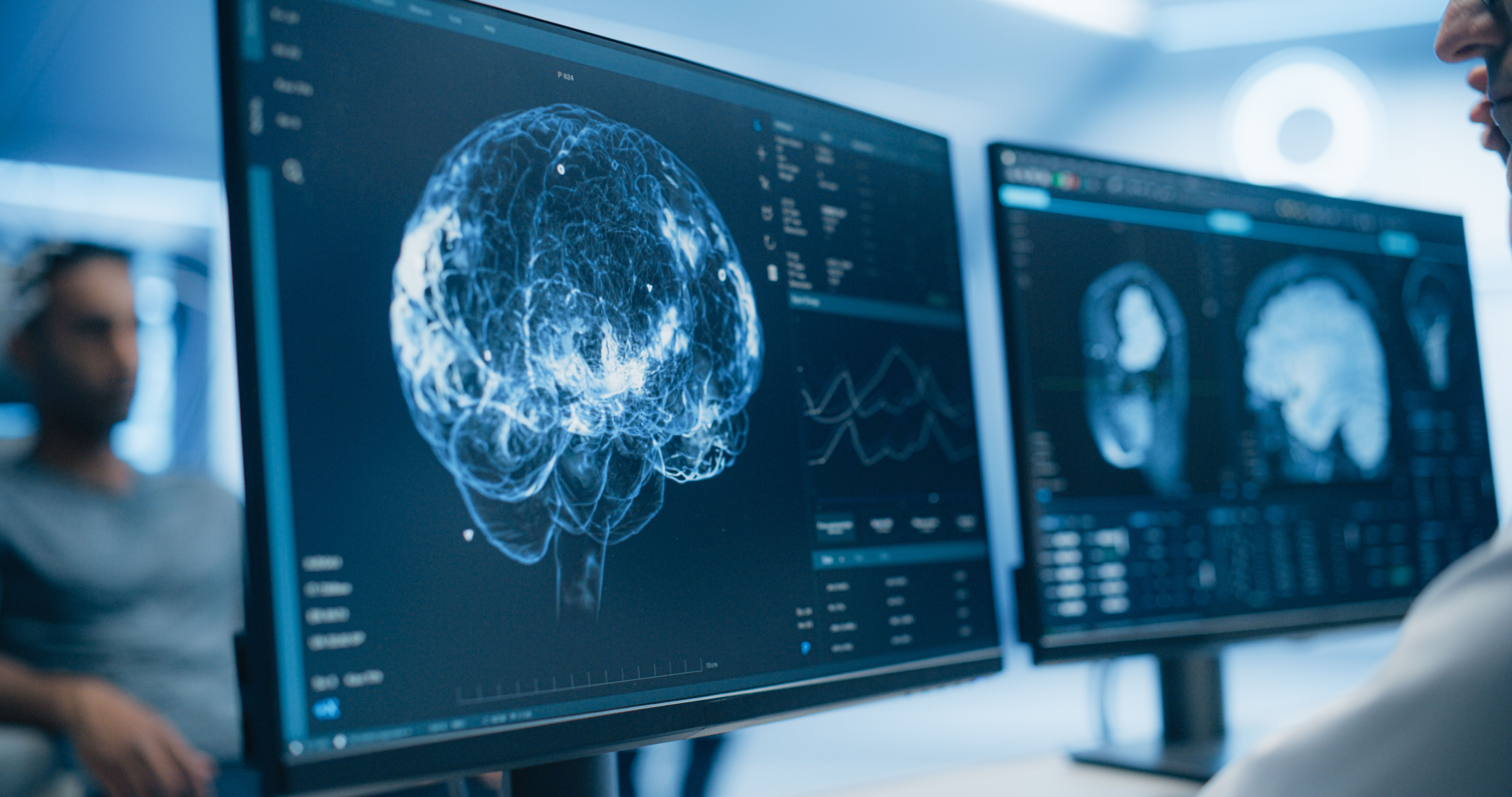
Moreover, machine learning models are improving the accuracy of brain imaging techniques like MRI and CT scans. By enhancing image quality and providing detailed analyses, these models are helping clinicians make more informed decisions and develop targeted therapies for patients.
Virtual Reality in Cognitive Rehabilitation
Virtual Reality (VR) is emerging as a powerful tool in cognitive rehabilitation. By immersing patients in simulated environments, VR can help improve cognitive functions and motor skills for those recovering from strokes or traumatic brain injuries. The interactive nature of VR encourages engagement and aids in faster recovery.
In addition, VR is proving beneficial in managing mental health conditions such as anxiety and PTSD. Immersive therapy sessions allow individuals to confront and work through fears in a controlled setting, leading to effective coping strategies.

Future Prospects and Ethical Considerations
While the technological advancements in brain health are promising, they also raise ethical considerations. Privacy concerns, data security, and the potential for misuse are critical issues that need to be addressed as these technologies become more integrated into healthcare.
Nevertheless, the future of brain health looks bright with continuous innovations on the horizon. Ongoing research and development promise to unlock further secrets of the brain, offering hope and improved quality of life for millions worldwide.
As we embrace these technologies, it is essential to balance innovation with ethical responsibility, ensuring that advancements benefit society as a whole.