The Latest Innovations in Brain Health Technology


Understanding Brain Health Technology
In recent years, brain health technology has gained significant momentum. It's an exciting field that combines neuroscience and technology to improve cognitive function, mental health, and overall brain performance. From wearable devices to advanced software, these innovations are transforming how we understand and care for our brains.
Wearable Devices for Brain Health
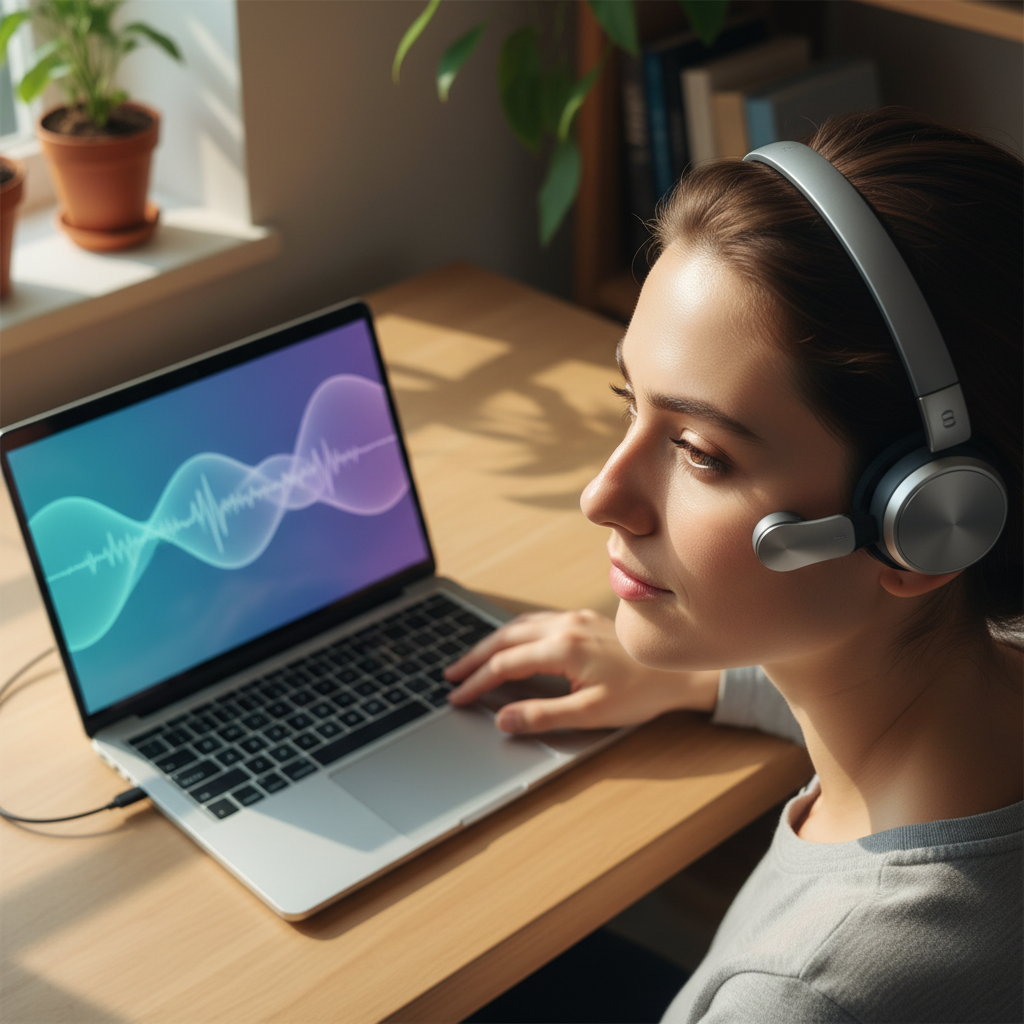
Wearable devices have revolutionized brain health by providing real-time data and insights. These gadgets typically come in the form of headbands or earbuds that monitor brain activity, sleep patterns, and stress levels. By tracking these metrics, users can make informed decisions about their mental well-being and lifestyle choices.
One popular example is the EEG headband, which uses electroencephalography to track brainwaves. This data can help users manage stress, improve focus, and enhance relaxation techniques. The accessibility and ease of use make wearables a popular choice among individuals looking to optimize their brain health.
Neurofeedback and Cognitive Training
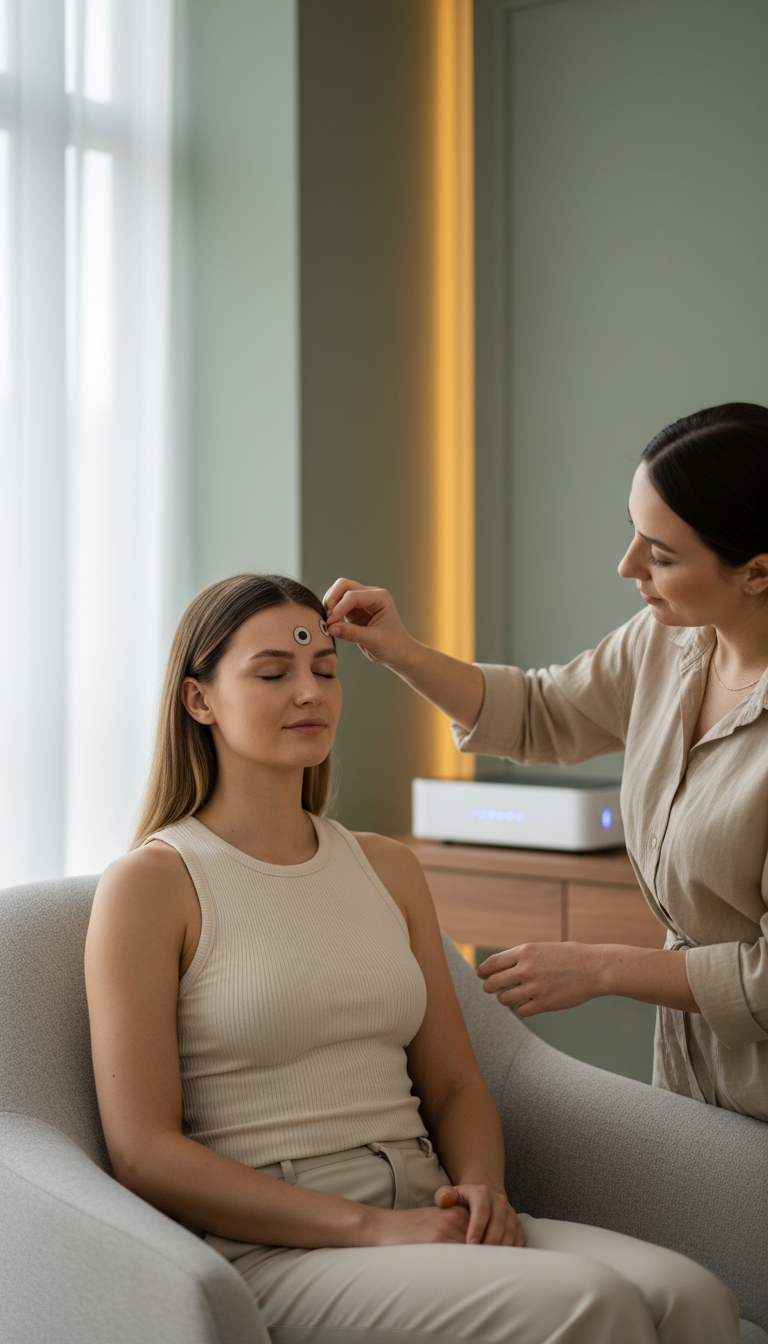
Neurofeedback is a cutting-edge innovation that allows individuals to train their brains using real-time feedback. This technique involves measuring brain activity and providing instant feedback to help users adjust their thoughts and behaviors. It's widely used for conditions such as ADHD, anxiety, and depression.
Cognitive training programs have also become increasingly popular. These programs use exercises and games to challenge the brain, enhancing memory, attention, and problem-solving skills. Many of these programs are available as apps, making cognitive training accessible to anyone with a smartphone or computer.
AI and Machine Learning in Brain Health
Artificial intelligence (AI) and machine learning are playing pivotal roles in advancing brain health technology. By analyzing vast amounts of data, AI can identify patterns and provide personalized recommendations for cognitive improvement. These technologies are being used to develop more effective treatment plans for neurological disorders and to create tailored cognitive training programs.
Moreover, AI-powered tools are helping researchers understand the brain's complexities like never before. This understanding is crucial for developing new therapies and interventions that can significantly improve brain health outcomes.
The Future of Brain Health Technology
The future of brain health technology is bright, with continuous advancements on the horizon. We can expect further integration of virtual reality (VR) and augmented reality (AR) in cognitive training and rehabilitation. These immersive technologies offer unique opportunities for engaging and effective brain exercises.
Additionally, as our understanding of the gut-brain connection grows, we may see innovations that combine nutrition and technology to enhance brain health. Personalized nutrition plans, guided by biometric data, could become a cornerstone of maintaining cognitive function.
Conclusion
Brain health technology is at the forefront of transforming how we care for our mental well-being. With innovations ranging from wearable devices to AI-driven solutions, individuals have more tools than ever to enhance their cognitive abilities and maintain mental health. As research and technology continue to evolve, the potential for these advancements to positively impact our lives is immense.